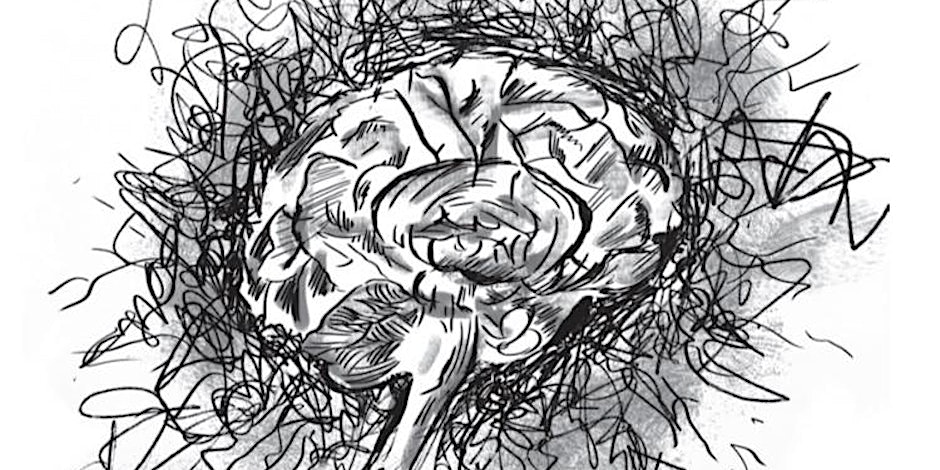
Chronic pain affects one in five people. The pain and the secondary psychological and
behavioural effects cost the individual and society significantly. Chronic pain is notoriously
resistant to traditional biomedical treatment. It is best conceptualised as a long-term
medical condition that requires self-management. Evidence supports the use of non-
pharmacological methods to improve participation in daily activities and enhance the quality
of life, despite the presence of ongoing pain.
Acceptance and Commitment Therapy (ACT) has emerged as an evidence-supported way
of helping pain sufferers self-manage their behaviour guided by their values. The primary
aim is to alter behaviour by changing the way people relate to their pain and pain-reactive
thoughts and feelings. This is facilitated by the use of core ACT processes: acceptance,
defusion, committed action, presence, self-as context, and values clarification. This webinar
will equip health professionals with the knowledge and skills to integrate ACT into their
clinical practice and to improve outcomes for chronic pain sufferers. Attendees are
expected to have attended an Introduction to ACT workshop or at least be familiar with the
six ACT processes in the Hexaflex.
About the presenter:
John Moffat is a clinical psychologist with a special interest in the application of ACT in
behavioural health, particularly with people suffering from chronic pain and other persistent
medical issues. He has extensive pain management experience within the public and
private healthcare systems, and developed a group-based ACT programme for chronic pain
in 2012. John worked in Capital & Coast DHB Pain Service and as Lead Clinical
Psychologist with TBI Health, one of New Zealand's largest integrated healthcare providers.
He is currently the Clinical Manager at the Victoria University of Wellington Clinical
Psychology Programme.
Book at: ACT For Chronic Pain Tickets, Tue, May 26, 2026 at 9:30 AM | Eventbrite
For more information, contact training@actwellington.co.nz


.svg)